
Population growth and a global food crisis
14:30 | Recent research shows that yields of our most important cereal crop – maize – could be down by as much as 24% by mid-century, by which time the human population will have grown by 2 BILLION people.

14:30 | Recent research shows that yields of our most important cereal crop – maize – could be down by as much as 24% by mid-century, by which time the human population will have grown by 2 BILLION people.

13:05 | Some say population growth is the root of all the problems we will face in the future and that it is rapidly spiralling out of control. But a new report suggests the numbers might not be quite as bad as we previously thought.

7:59 | Developing countries have long been blamed for destroying the environment with their large families. Overpopulation has been identified as the enemy. But how accurate is this claim exactly?

12:26 | Pop star Blythe Pepino came to realise that far-reaching choices are needed to save the climate. Such as not fulfilling your wish to have children.

9:58 | Faced with the stark reality of the climate crisis, a growing movement of people are deciding not to have children.

14:47 | Despite a dramatic reduction in fertility rates since 1950, our global population continues to rise.
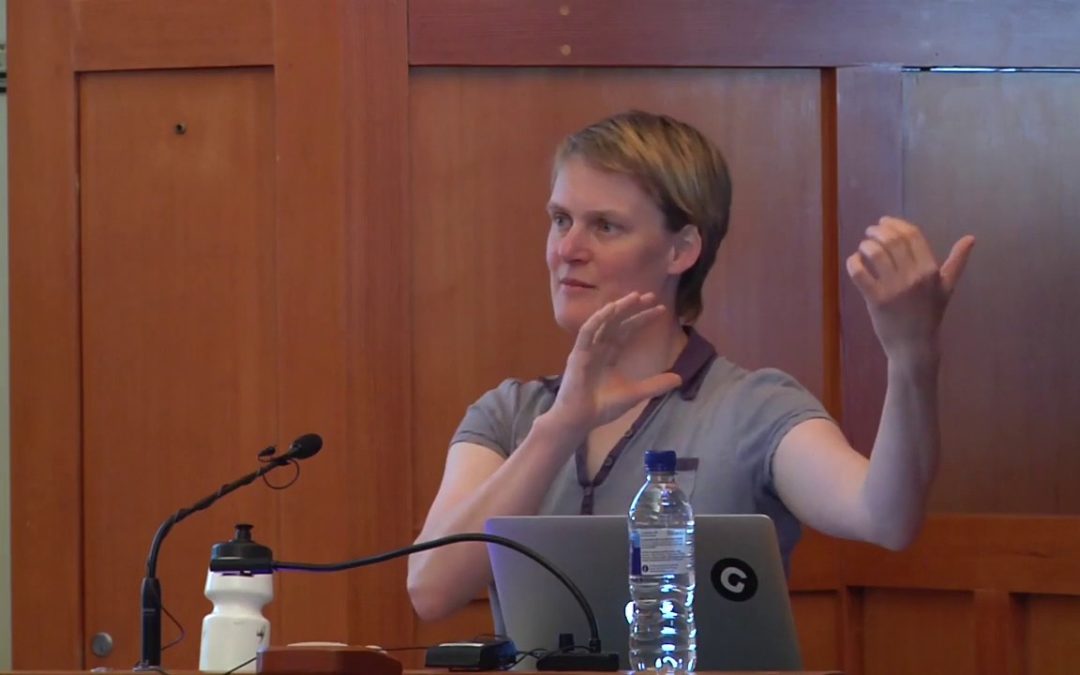
1:17:38 | A high population may indeed be damaging for reasons related to climate change, but if so, the reasons for this are more subtle; professor Hilary Greaves will outline what they might be.
5:46 | Fin illustrativ grafik af befolkningsudviklingen.

1:20:21 | Further population growth to the predicted 10 billion by 2050 cannot be sustained at the current level of productivity, a problem made worse by climate change.
3:18 | Hans Rosling demonstrates the dynamics of population growth, child mortality and carbon dioxide emissions.