
Small Modular NUCLEAR Reactors. Climate Solution or Costly Distraction?
14:28 | Are Small Modular Nuclear Reactors (SMRs) really moving toward large-scale deployment or are the economic challenges highlighted by critics still unresolved?

14:28 | Are Small Modular Nuclear Reactors (SMRs) really moving toward large-scale deployment or are the economic challenges highlighted by critics still unresolved?
15:15 |
For decades, Steve Howard watched companies pour money and effort into sustainability initiatives … and still fall short. The problem is that capitalism and climate have been wired to work against each other.

8:44 | Insurance is the hidden engine that keeps the economy churning, but climate change is making home insurance unaffordable for many people, says climate risk advisor Amy Barnes.

11:16 | There’s a big schism among energy system analysts right now.

16:49 | JP Morgan chase recently published a comprehensive climate report. Meanwhile the UK Institute and Faculty of Actuaries, who are financial risk managers, published their own analysis with a very different outlook.

16:24 | I visited Greg Jackson at his London HQ to have a chat about what he’s up to.

42:25 | Critics of growth want to bring the economy into harmony with the environment and social well-being. They see a world that functions without constantly wanting more. But is that realistic?

11:31 | We can blame capitalism for worsening the climate crisis, says journalist Akshat Rathi, but we can also use it to create the solutions we need for the mess we’re in.

13:34 | Is capitalism the problem? And if that’s the case, what should we do instead? This is a guest video by Hazel Thayer.

11:54 | Your money is in grave danger if the world does not act urgently to mitigate the worst consequences of our rapidly warming climate. Now a new report sets the challenge out in painful detail.

11:38 | Burning carbon, for example in the form of coal, produces cheap energy – but also tons of emissions. Why don’t we just tax that?

51:55 | Getting rich by betting on a future catastrophe? Thanks to something known as “catastrophe bonds” or “cat bonds” for short, this is now possible.

10:22 | Political economist Zainab Usman thinks present-day power struggles may seriously hinder the world’s ability to fight climate change, with similarly disastrous results.

10:26 | Jonathan Foley presents a six-part framework to more efficiently address climate change, from better aligning capital with carbon to utilizing affordable solutions that are ready to go now.

13:36 | ‘Jevons Paradox’ says the more efficient and cheaper we make things, the more we use them. So are we in a no-win situation or is there actually a way out

14:38 | The International Energy Agency just released a new paper analysing how oil and gas will dwindle in the next three decades to a small fraction of their current size.
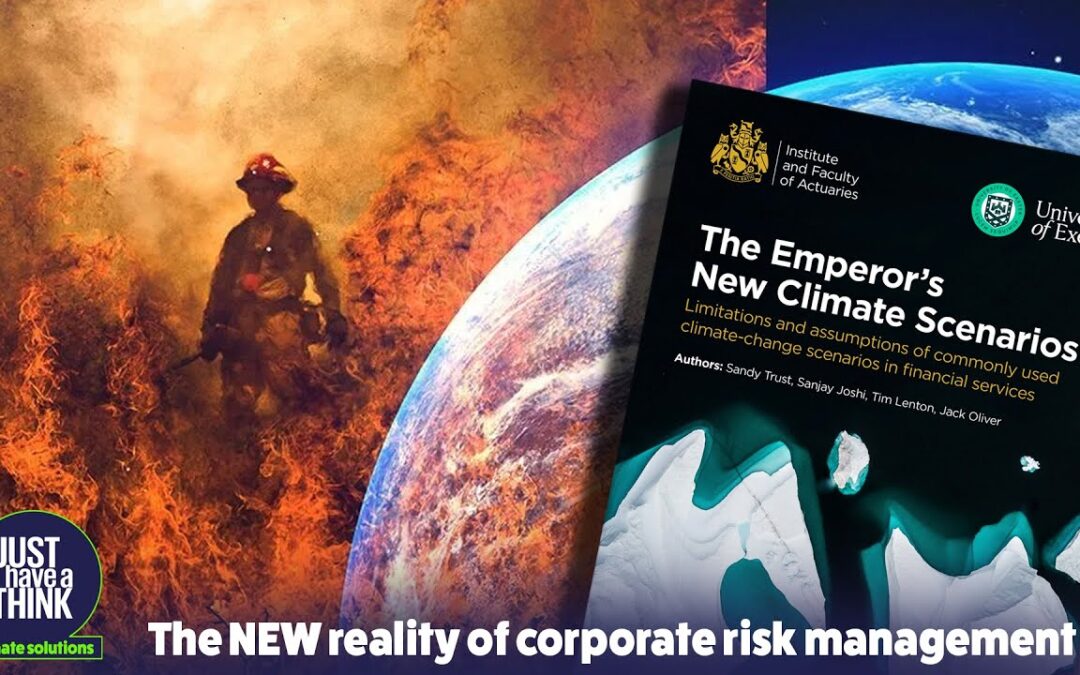
16:40 | Risk managers at the world’s largest financial institutions are beginning to factor ‘Planetary Boundary’ science into their spreadsheets.

I deres nye bog, Efter Festen, argumenterer forfatterne Bjarke Dahl Mogensen og Rune Detlif Baastrup for, at vi er nødt til at have et opgør med vækst, også kendt som “postvækst” eller “degrowth”, for at skabe en sand grøn økonomi. Men er det nødvendigt?
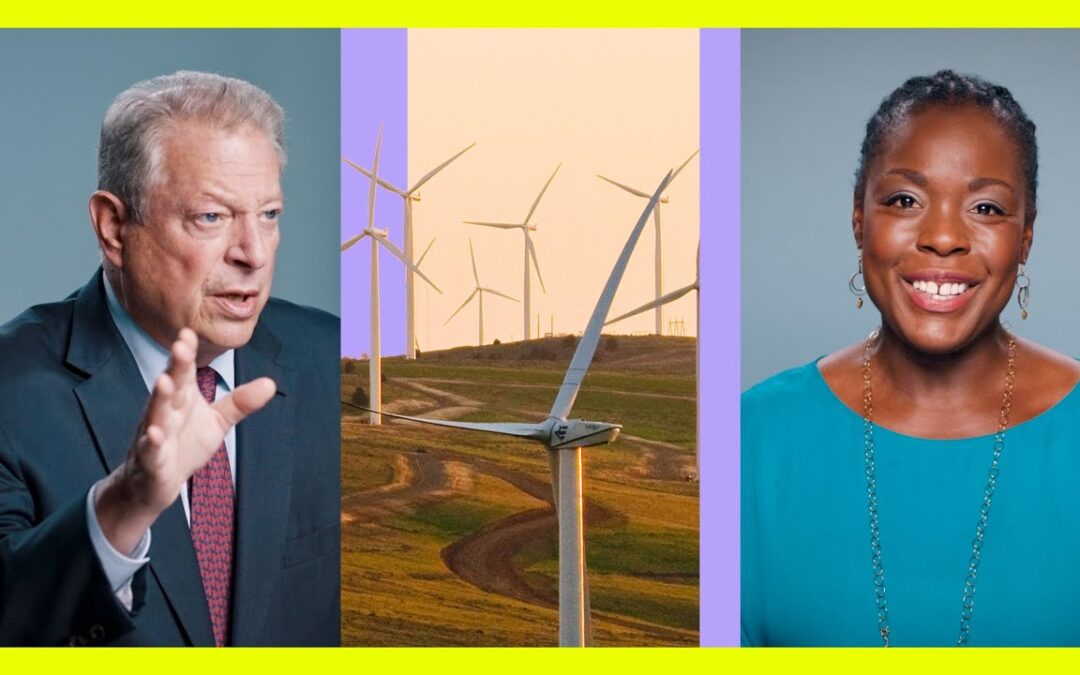
25:44 | In a blistering talk, Nobel Laureate Al Gore looks at the two main obstacles to climate solutions and gives his view of how we might actually solve the environmental crisis in time.

12:17 | What if we could solve the climate and housing crises at the same time?
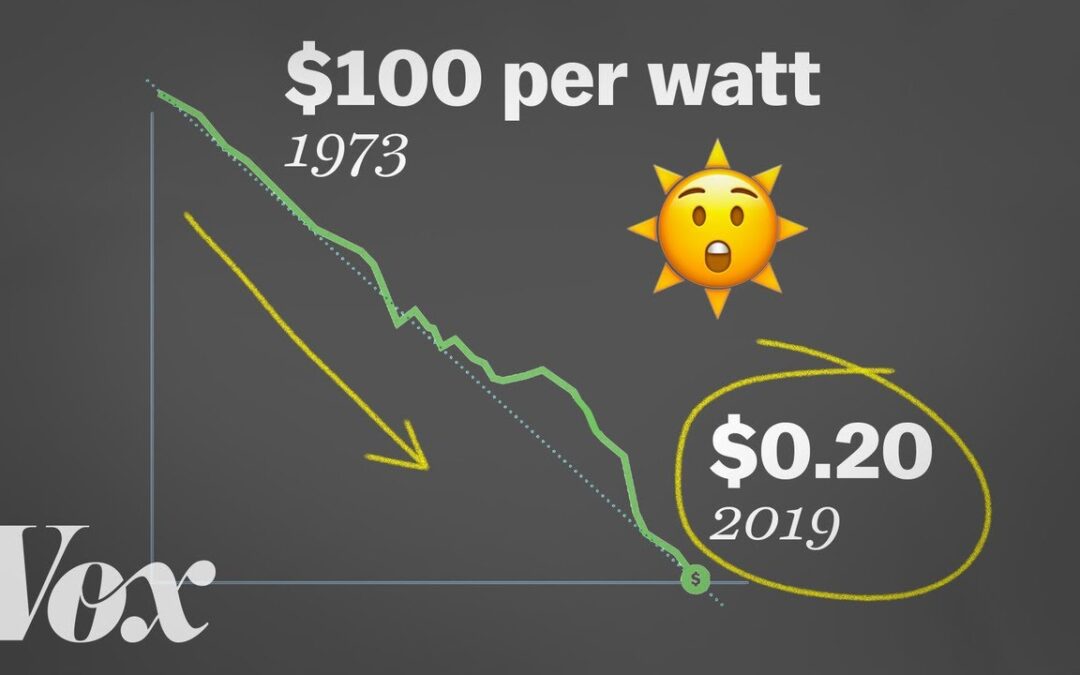
6:30 | Since 2009, the price of solar energy has come down by 90 percent. That’s no accident. It’s the result of policy interventions from the US to Germany to China.
Hvordan får vi arbejderklassen med i klimakampen? Er vækst en del af løsningen på klimakrisen eller en del af problemet? Og hvordan fratager vi den fossile klasse deres magt over økonomien?
36:25 | Through TED Talks and conversations featuring scientists, CEOs, activists, politicians, artists, frontline community leaders, investors and more, this film offers a 360-degree view of carbon credits.

7:35 | This is the incredible story of how a nationalised oil and gas company, from the tiny nation of Denmark, became a renewable electricity powerhouse in just seven years.
10:25 | Yuval Noah Harari makes the case that preventing ecological cataclysm will not require the major global disruptions many fear and explains that we already have the resources we need — it’s just a matter of shifting our priorities.

4:48 | Bitcoin requires vast amounts of electricity to facilitate its transactions around the globe.

5:55 | At a time of climate pledges and promises, globally our governments still spend three times more public money on subsidising fossil fuels than renewable energy. Why is this?

10:25 | Al Gore explains how the financial interests of fossil fuel companies have blocked the policymaking process in key countries — and calls for a global epiphany to take on the climate crisis.

11:30 | Climate tech investor Gabriel Kra offers five big reasons to be optimistic about climate — starting with the fact that many of the world’s best minds are focused and working on building a clean future for all.

50:07 | America Ferrera journeys to Illinois to shed light on the US’ controversial dependence on coal plants. Sigourney Weaver explores China’s explosive economic growth and the impact it is having on the environment on a global scale.

50:08 | Nikki Reed explores what some believe to be the ultimate solution: putting a price on carbon pollution. Aasif Mandvi travels to Kenya’s wildlife preserves to understand just how much of a threat climate change poses to endangered species.
55:10 | In episode seven, three stories provide insight into the economic costs and opportunities of global warming.

9:57 | The financial sector often talks of decarbonizing investment portfolios as a way to fight climate change. But portfolios can be “cleaned” without having any real impact on the problem.
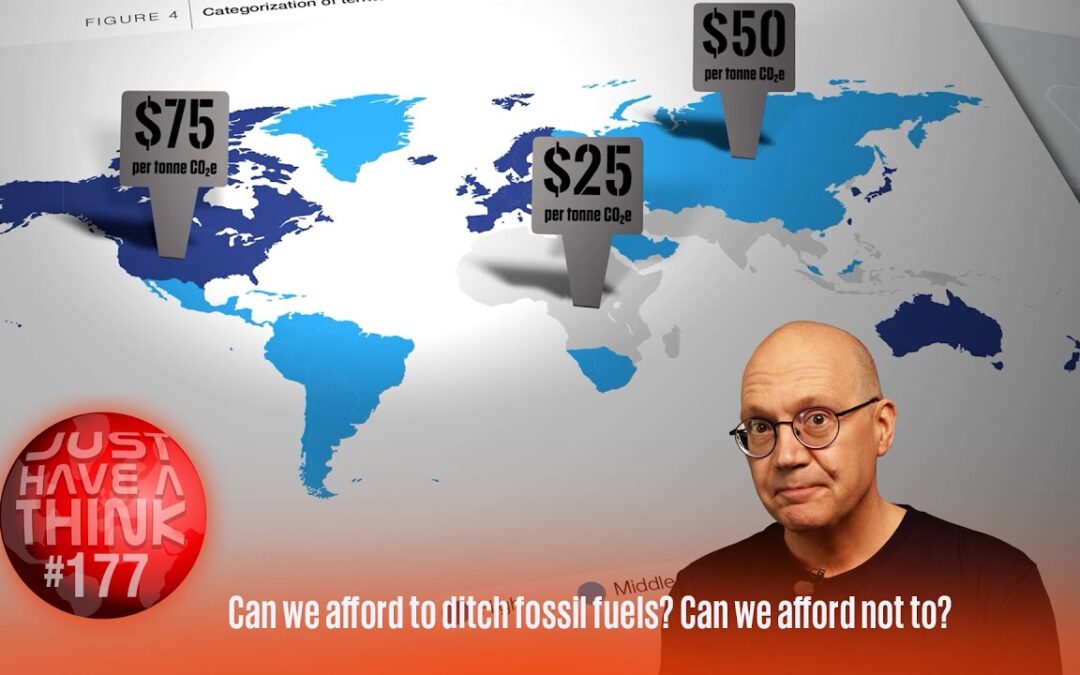
13:50 | Fossil fuels are inextricably linked to our everyday lives and it’ll be impossible to phase them out in the next three decades. At least that’s what the fossil fuel industry would have you believe.
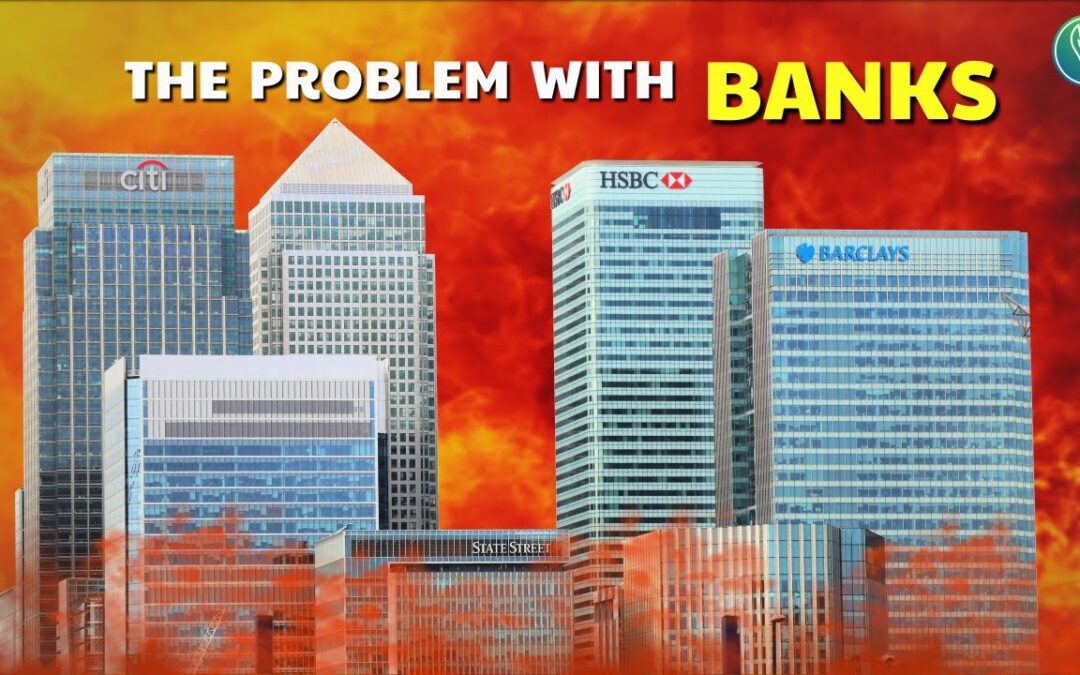
10:22 | The Banking on Climate Chaos report has revealed the banking sector’s atrocious financing of the fossil fuel industry.

10:18 | The Degrowth movement wants to redefine the system with different targets and reshape the world as we know it.