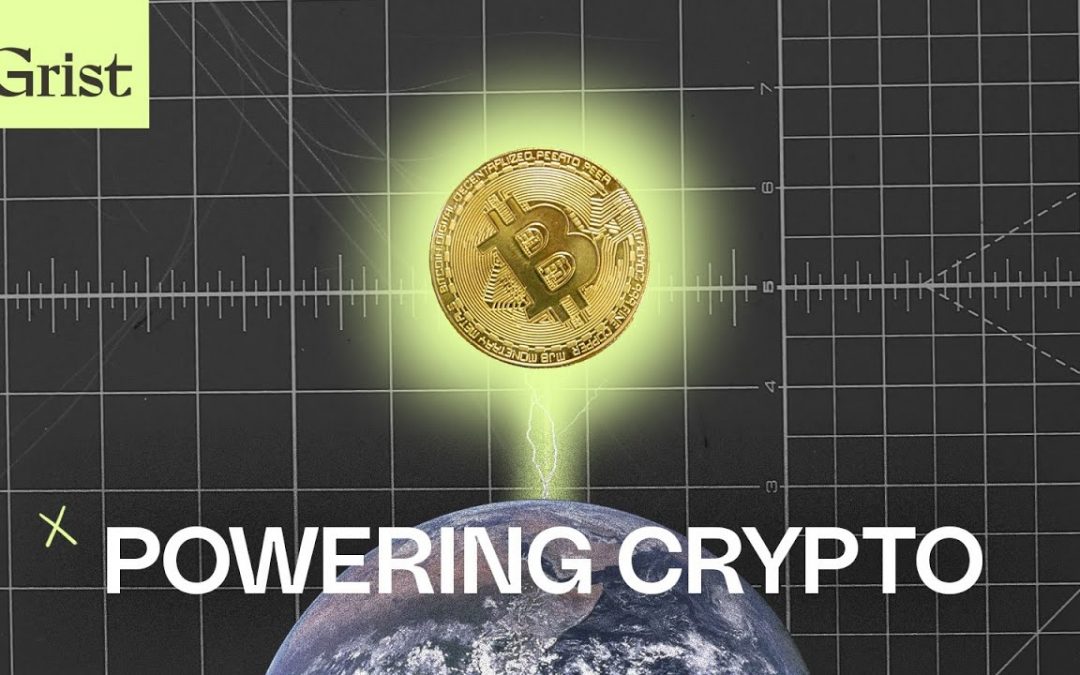
The truth about Bitcoin’s energy use
6:06 | Do cryptocurrencies like Bitcoin amount to climate arson or a clean-energy boon? Well, it’s complicated.

6:06 | Do cryptocurrencies like Bitcoin amount to climate arson or a clean-energy boon? Well, it’s complicated.

11:37 | Would you pay two percent more for the carbon-neutral version of the products you buy and use every day?

48:25 | Bill Gates identifies the breakthroughs and investments we need to reduce the cost of clean tech, decarbonize the economy and create a pathway to a clean and prosperous future for all.
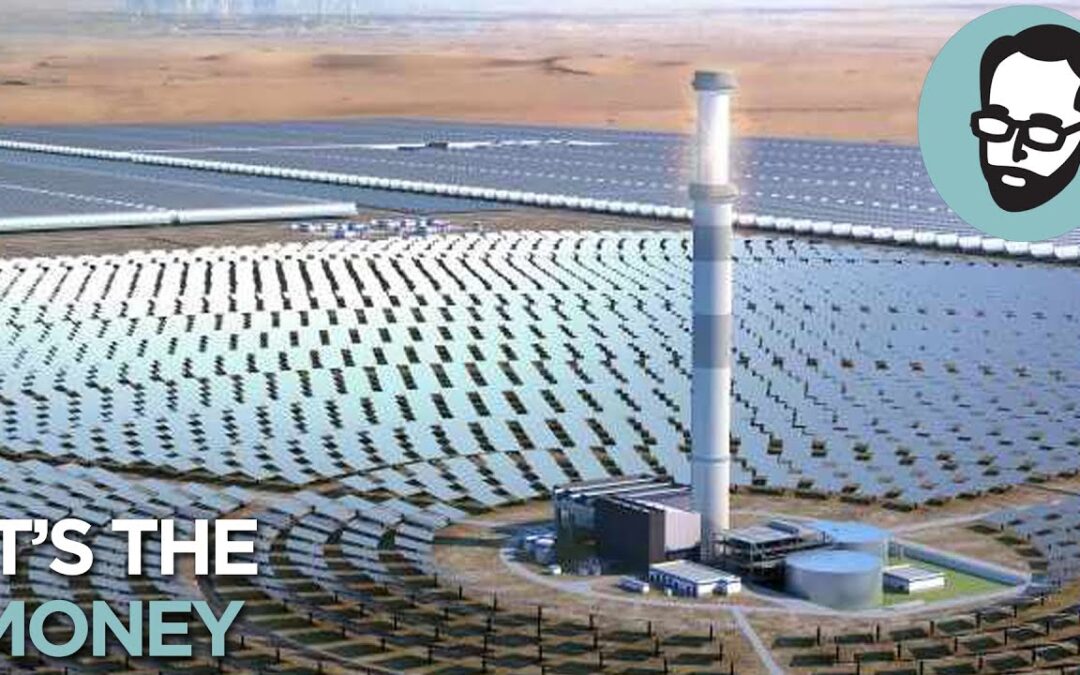
23:56 | In this video we compare energy production by the Levelized Cost of Energy, or LCOE – the formula that will determine our energy future.

25:54 | A new generation of investors wants to force businesses to become environmentally-friendly. Even climate conservationists know that money talks, but can green investments really save the world?
6:58 | Climate Economics, episode 7. Curious to what feminist economics brings? And how this can help with the problems occurring from climate change? Watch this video and find out!
Climate Economics, episode 6. Neoclassical Economics imposed itself over the past decades as the core of mainstream economics, largely influencing academia and policy making.
Climate Economics, episode 5. In this video the role of institutions, and demand driven fiscal and monetary policies in the fight against the climate crisis is unfolded.

7:13 | Climate Economics, episode 4. What are the key insights from complexity economics that allow for a better understanding of the climate crisis?

1:15:43 | Prof. Steve Keen joins Nucleus Investment Insights to discuss his work on the disastrous economics of climate change, in which he contends numerous errors have been made in calculating the economic effects of climate change.
5:51 | Climate Economics, episode 3. Behavioural economists Pr. Chen Li and Pr. Joël van der Weele give you a glimpse of the answers Behavioural economics offers to tackle climate change.

Climate Economics, episode 2. Renowned ecological economists Julia Steinberger and Giorgos Kallis give an introduction to the research field of ecological economics.
5:10 | Climate Economics, episode 1. Can pluralism in economics be useful to tackle the fight against climate change?

27:02 | Environmentalist Tom Rand thinks that we need to harness markets to avert climate catastrophe. And further, he believes a radical change is needed in how markets operate.

11:37 | Global Green Recovery seems to be the buzz phrase exciting journalists and Social Media types in many parts of the world right now…
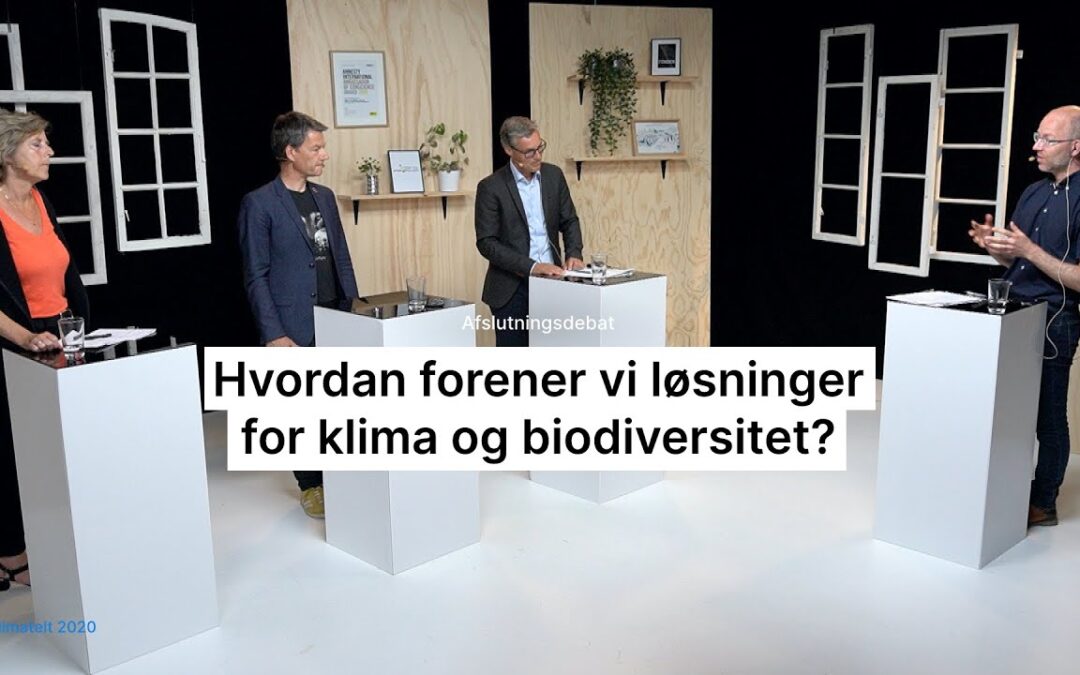
41:13 | Kan løsningen af både klimakrisen og biodiversitetskrisen gå hånd i hånd? Eller er vi nødt til at prioritere den ene krise højere end den anden? Afslutningsdebat fra Klimatelt 2020.

37:56 | Se med når aktivister fra Global Aktion debatterer hvorfor der stadig er så stærk en myte om, at frihandel og vækst er godt for klimaet.

21:20 | Theresa Scavenius & Ejvind Larsen debatterer hvordan vi kommer videre efter coronaen med en samfundsøkonomi der ikke ødelægger miljø og klima – og hvordan vi kan leve på en klimavenlig måde.
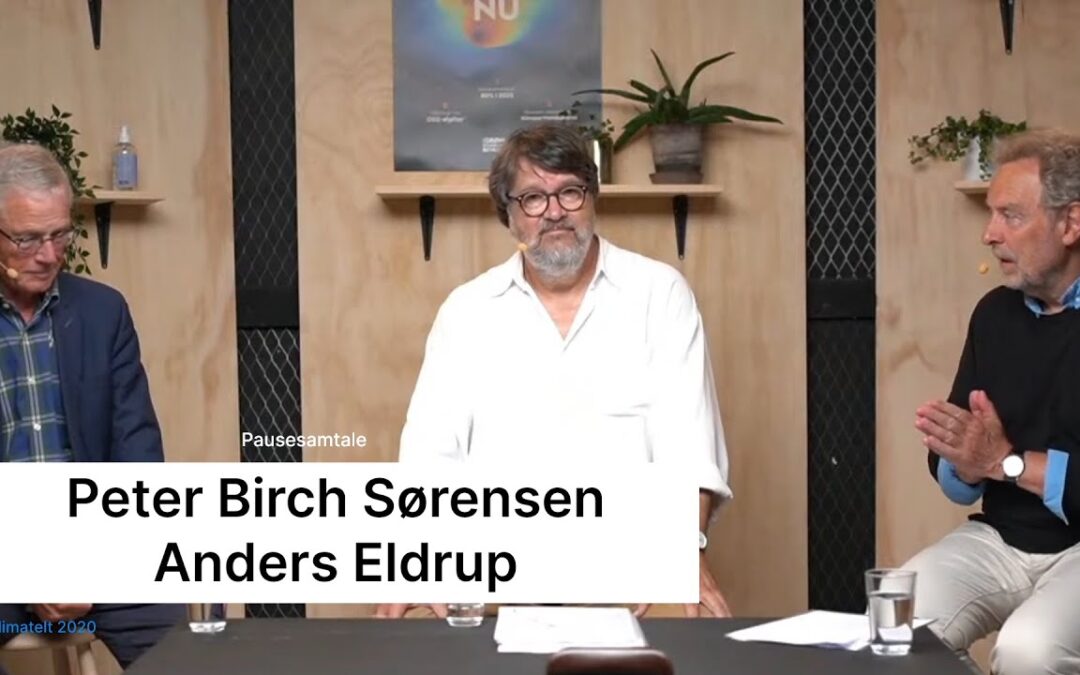
16:20 | Samtale om klima og samfundsøkonomi med Anders Eldrup, Peter Birch Sørensen & Jørgen Steen Nielsen.
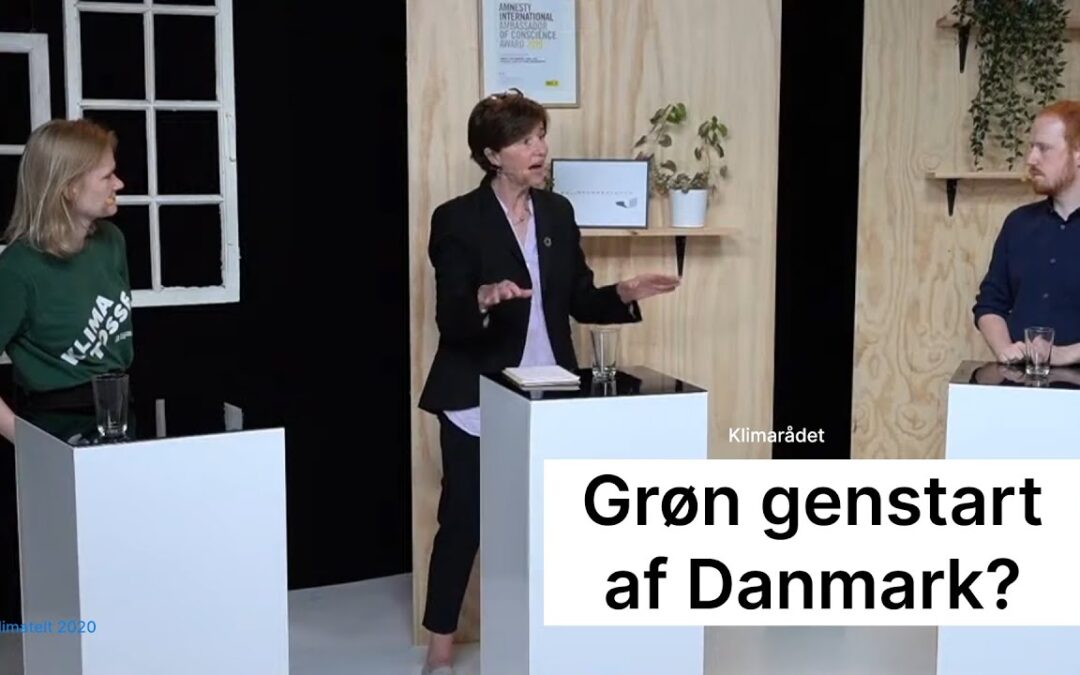
35:17 | Katherine Richardson fra Klimarådet og Nina Möger fra Ungeklimarådet inviterer klimaordførerne Tommy Ahlers (V) og Signe Munk (SF) ind til en snak om en grøn genstart af Danmark.

32:35 | I slipstrømmen på coronakrisen har vi set en lang række af forslag til genstart af dansk økonomi. IDA og Danmarks Naturfredningsforening er begge kommet med konkrete bud på, hvor vi skal sætte ind.

1:36:59 | Online lecture to undergraduate students.

12:02 | In this video we will explore the economic impacts of climate change both in terms of its potential consequences and the feasibility of the solutions.

Debat om grundlaget for William Nordhaus’ økonomiske modeller og de usikkerheder, der er forbundet med at vurdere økonomiske konsekvenser af klimaproblemerne.

4:20 | Despite the headlines, stopping climate change will cost a lot of money and energy. But even so, the benefits are more than worth it.
30:51 | Popular models for the effects of climate change human welfare usually focus on its long-term economic impacts — but often leave out its impact on human mortality.

9:07 | With the advent of competitively priced alternatives to oil and changing policy prerogatives, some analysts have speculated that oil demand will experience a peak in the near future.

11:23 | Anders Bodin præsenterer en uhyre simpel ligning, som beskriver sammenhængen mellem klimaforandringerne og det økonomiske system.

44:59 | In Doughnut economics by Kate Raworth, we see that markets are inefficient and growth is not the holy grail.

2:41 | With David Wallace-Wells.
Økonomi skal ikke vækste. Økonomi skal trives. Sådan siger den engelske Oxford-økonom, Kate Raworth, som er blevet kendt for sin model af doughnut-økonomien.

57:59 | Featuring Billy Pizer, Duke University: November 2018.
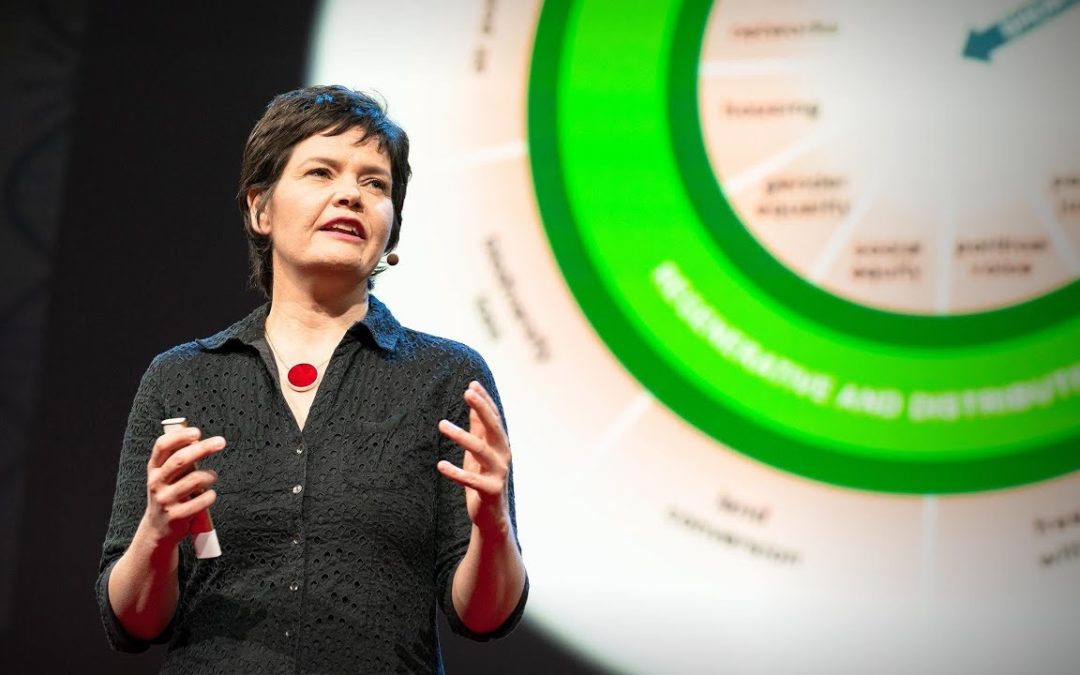
15:53 | What would a sustainable, universally beneficial economy look like? “Like a doughnut,” says Oxford economist Kate Raworth.

49:08 | Michael Braungart and William McDonough are fundamentally changing the way we produce and build.

29:41 | Ramez Naam forudsiger, at vedvarende energi hastigt kommer til at udkonkurrere kul, olie og gas.

17:51 | The Jimmy Dore Show undres over Donald Trumps CO2-boble.