
Climate change and displacement – How people are being forced to flee their homes
52:01 | Over the past 10 years, climate change has displaced an average of 70,000 people, every day. This, according to figures from the UN Refugee Agency, UNHCR.

52:01 | Over the past 10 years, climate change has displaced an average of 70,000 people, every day. This, according to figures from the UN Refugee Agency, UNHCR.

28:25 | If you dominate EV battery manufacturing, you dominate electromobility. China is building one gigafactory after another, while Europe struggles with political uncertainty, lack of know-how, and large-scale projects that end up delayed or cancelled.

28:25 | Steel firms and World Bank-linked finance are backing eucalyptus plantations in Brazil to offset CO2. But on the ground, communities report land loss, damaged ecosystems, and broken promises. So how green is “green steel”?

42:25 | For people in countries like India or the Philippines, climate change is already very real. Extreme heat dominates everyday life. Heavy rain washes away houses and roads.

25:55 | Researchers from various disciplines are determined to fight climate change.

25:55 | Peatlands bind more carbon than forests. People around the world are currently working to rewet the moors – while keeping them usable for agriculture.

42:25 | The northern German ‘hallig’ or island of Oland isn’t immune to the impact of climate change.

42:25 | Industrial livestock farming is responsible for around 15 percent of global greenhouse gas emissions. This is why more and more scientists and entrepreneurs are conducting research on alternatives to conventional meat production.

42:29 | This film explores the diverse effects heatwaves have on our lives and presents adaptation strategies.

42:25 | Critics of growth want to bring the economy into harmony with the environment and social well-being. They see a world that functions without constantly wanting more. But is that realistic?

25:56 | Soot, particle pollution and heavy fuel oil: freighters and cruise liners are real climate killers. The film shows how both innovations and tried-and-tested ideas can make shipping cleaner.

28:25 | Climate change could halve the amount of land suitable for coffee production by 2050. Many people are busy experimenting with more resilient coffee varieties and sustainable growing methods.

35:29 | Climate change is real, and it is dangerous. Some people are actively trying to stop it. Others deny or intensify it – or suppress information.

42:25 | Eighty per cent of all goods come to us by sea. But this form of transportation’s carbon footprint is woefully bad. Ships are responsible for almost three per cent of global CO2 emissions.

42:25 | Neither the warnings from climate researchers nor public protests have prompted sufficient action from politicians and big business interests. Why? This question is the subject of this film.

42:25 | Could nuclear fusion generate an infinite amount of clean energy? In contrast to nuclear fission, nuclear fusion looks favorable when it comes to environmental and safety concerns.

42:25 | Bogs and swamps contain more carbon than all other ground vegetation. As the permafrost melts, greenhouse gases are released, which in turn accelerate global warming.

25:55 | Billions of people in cities around the world are affected by climate change. Sustainable urban planning can help reduce risks and improve life in urban centers.

25:55 | Patagonia’s icefields are very difficult to access. Now, a scientist and two extreme mountaineers are venturing into this hard-to-reach area, in search of new data for climate research.

51:55 | Getting rich by betting on a future catastrophe? Thanks to something known as “catastrophe bonds” or “cat bonds” for short, this is now possible.

1:24:15 | A voyage of discovery, across huge expanses of ice. This film follows three of the world’s leading glaciologists on their pioneering scientific expeditions to Greenland’s massive ice sheet, a place that could harbor secrets about the future of life on Earth.

42:25 | To stop climate change, the energy system must be transformed worldwide. Very little time remains to accomplish this. But there are places where this renewable future has already arrived.

42:25 | Part 1 of this two-part documentary looks at the question of whether it’s even possible to provide enough green energy for the whole world.

12:26 | Kiribati could soon become uninhabitable due to climate change. Residents are using all available means to protect themselves from rising sea levels.
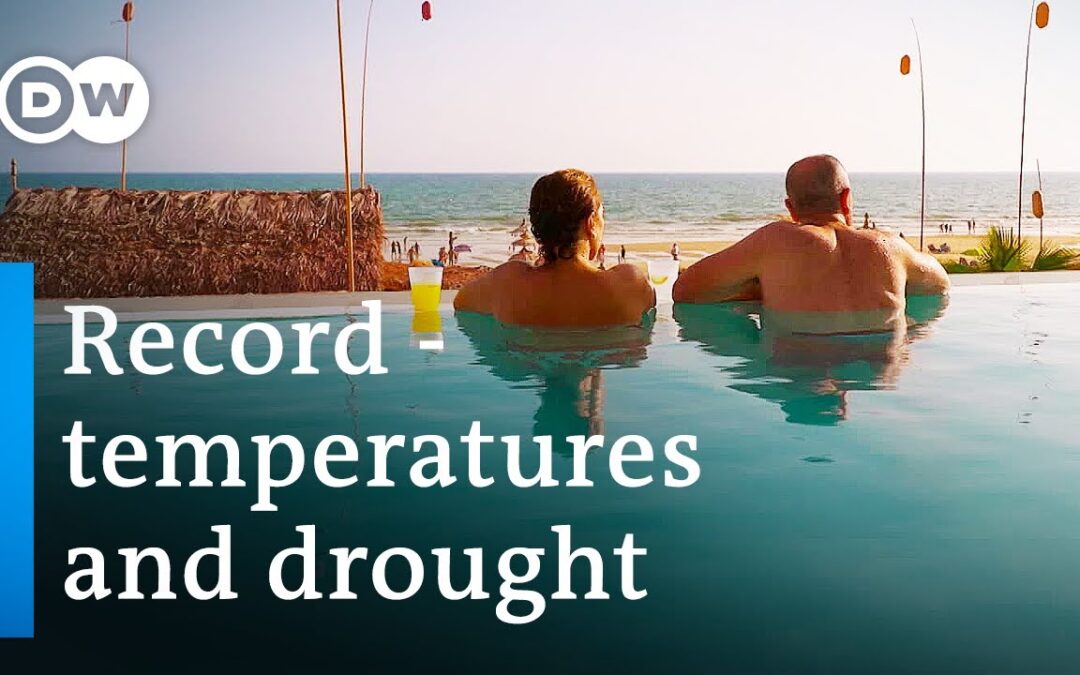
42:26 | This documentary explores the reasons for water scarcity in Spain, looks at the impact of water scarcity in Catalonia and Andalusia and at the tourism industry’s response to the crisis.
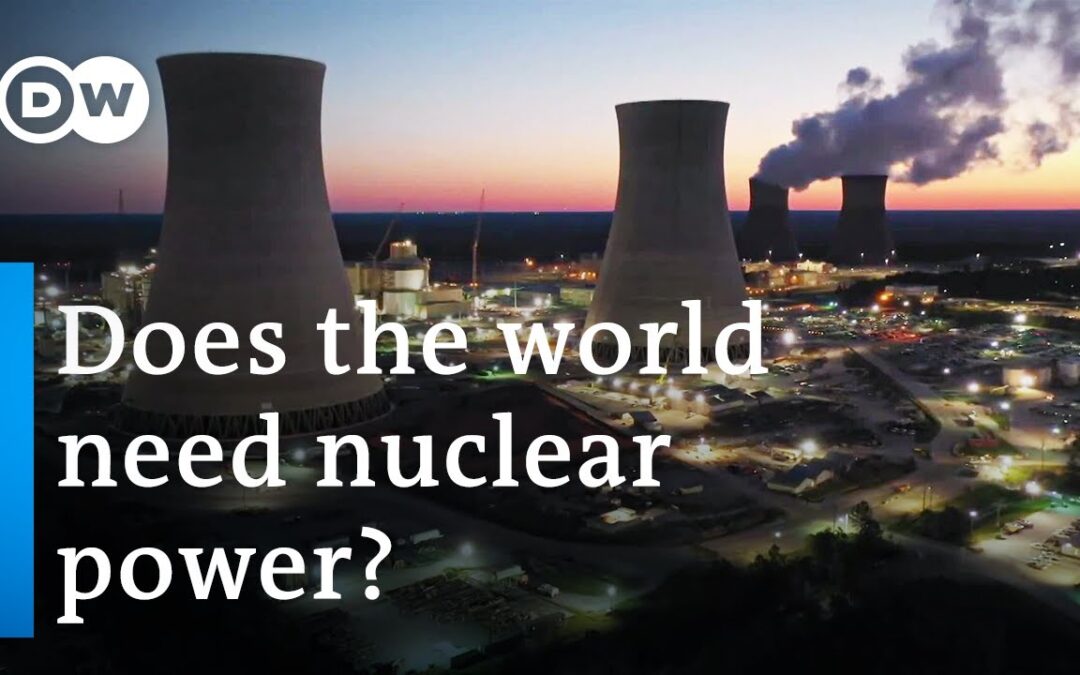
28:25 | The rising global temperature must be restricted to well below a two-degree increase. Is nuclear power the new game changer for achieving this ambitious goal?

25:55 | Reforestation works not only in the countryside, but also in the city.

28:25 | Industry is responsible for almost half of the world’s CO2 emissions. And heavy industry represents the lion’s share of those. But heavy industry is under pressure to make the switch to renewables in record time.

28:25 | Extreme weather is affecting the whole world – and climate change certainly doesn’t stop at popular vacation destinations. Where is tourism accelerating climate change? And where could tourism provide an opportunity?
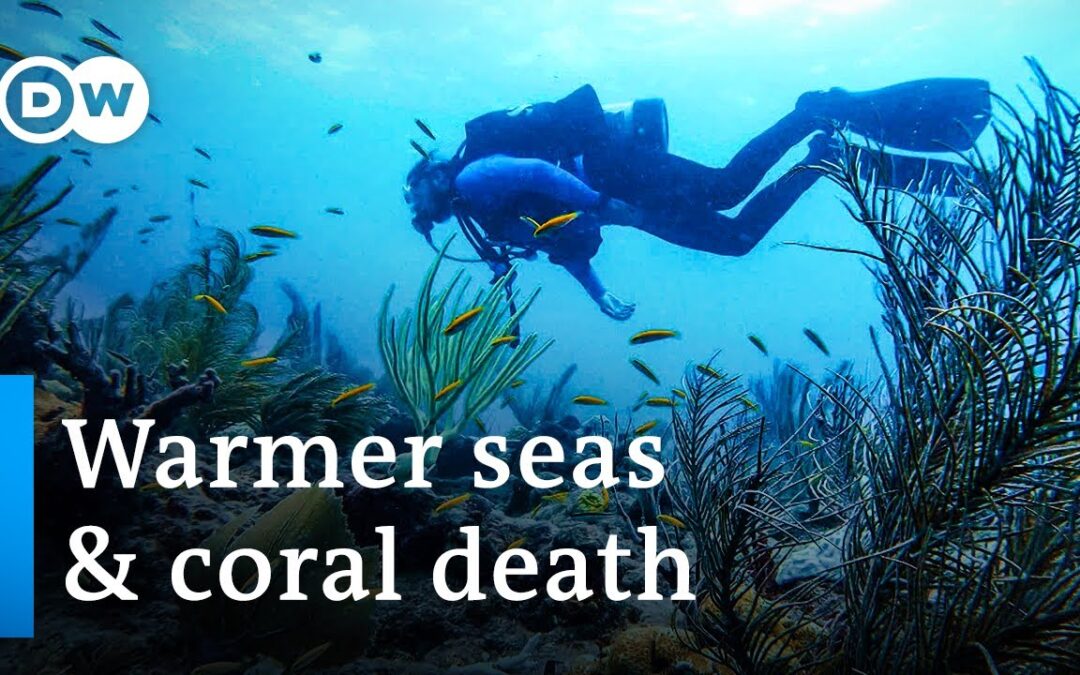
12:25 | The coastal waters off Florida’s dream beaches are becoming a nightmare: Temperatures have topped 37 degrees Celsius, killing corals. The extremely high water temperatures are a consequence of both climate change and the weather phenomenon known as El Niño.
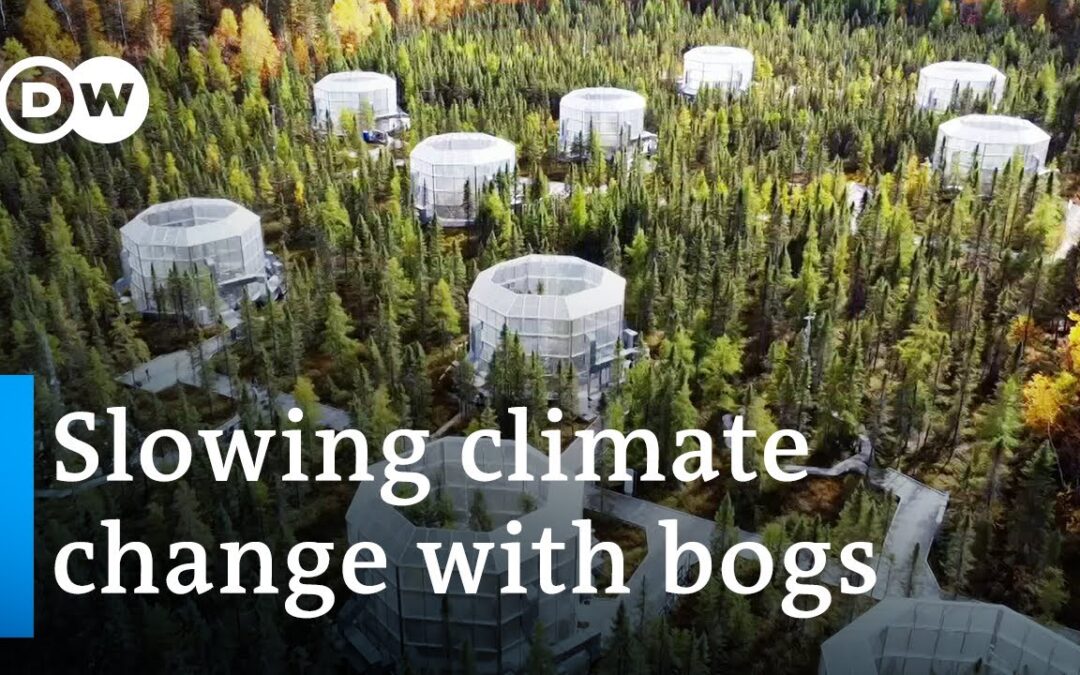
25:56 | Peatlands are very often the setting for chilling folklore. But they serve an important function – for the climate and biodiversity.

28:25 | Can high-tech solutions help protect the climate? What would be the side effects of further human intervention in nature?
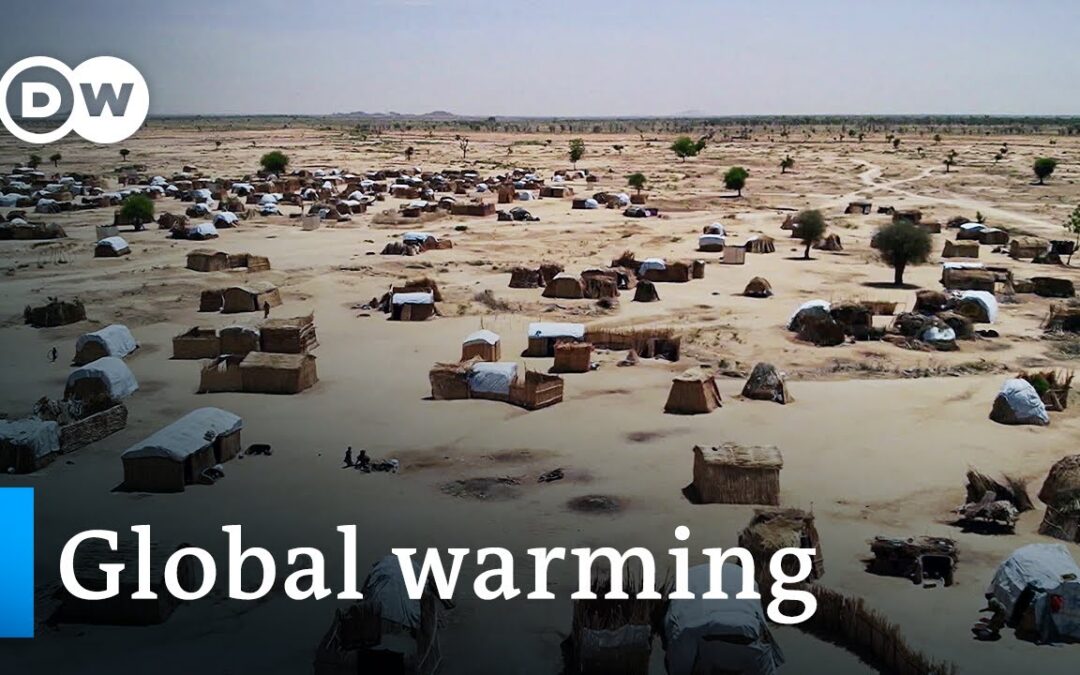
1:25:56 | The film team visits climate rescuers in Sudan, Indonesia and Europe. 65,000 acacias are growing in Darfur: a blessing for the bitterly poor region, as well as a carbon dioxide reservoir that can help limit global warming.
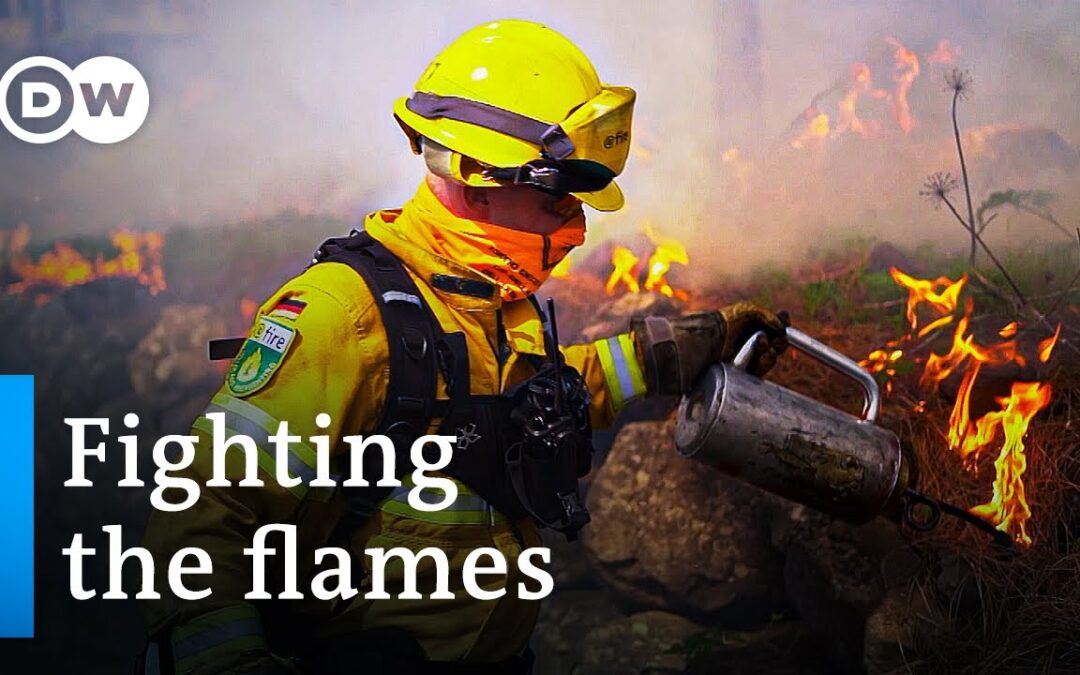
28:25 | Woodlands are crucial for life. But today more than ever, they’re threatened by devastating blazes. Heat and drought are fueling the flames. In Europe it’s no longer only the southern countries that are worst affected – the north is, too.

28:25 | Sea levels are rising due to climate change. Many coastal cities are at growing risk of flooding. Architects are trying to react to this development with new ideas, such as floating cities.

28:25 | In the Netherlands, climate change is far more than an abstract future danger.