
The Blind Spots of the Green Energy Transition
18:01 | The world needs clean power, but decarbonization calls for a massive increase in the mining and extraction of minerals like lithium, graphite and cobalt.

18:01 | The world needs clean power, but decarbonization calls for a massive increase in the mining and extraction of minerals like lithium, graphite and cobalt.

10:10 | In celebration of the new inflation reduction act being passed, it’s time to explain why modern warming is different than past warming on Earth.

6:09 | In this video, we discuss the root causes of agricultural emissions, which are most prominent in meat and dairy.

5:56 | The Amazon rainforest absorbs huge amount of CO2 and helps to cool the world, but recent studies have shown the rainforest is approaching a tipping point.

10:40 | Algae is one of the most successful organisms on earth, and we humans are only just starting to understand its potential in our climate mitigation challenge.

11:53 | Private jets. Mega-yachts. Helicopters. Mansions. The luxury lifestyles of the ultra-rich are pumping our air full of pollutants. So how do we clean them up – and why is progress so slow?

13:02 | A UK based company called Brilliant Planet has perfected a method that, at full scale, can drawdown 2 billion tonnes of carbon dioxide from our atmosphere every year while also restoring alkalinity levels to our ocean ecosystems.

9:30 | “Climate doom-ism,” or a pessimistic outlook on the future of the planet, rivals climate denialism in holding up the fight against climate change, says activist Zahra Biabani.

11:21 | Solar PV panels are multiplying at almost virus-like speed all over the planet. That’s a great thing for the transition to sustainable energy, but a massive potential problem for a catastrophically ill-prepared recycling industry.

9:46 | With artists MyVerse and Kristen Warren as an inspiring opening act, social entrepreneur Samir Ibrahim suggests hip-hop and its stars can help us move from talking about the problem to rapping about (and acting on) solutions.

11:36 | Research shows that the unwanted by-product of the mining industry, rock dust, could be a transformational supplement to agricultural soils all over the world.

25:55 | The word Himalaya means House of Snow, and is the second largest icecap outside the polar regions. But it is melting at the fastest rate in human history. Pakistan takes a bold bid to mitigate worsening climate change.

7:35 | This is the incredible story of how a nationalised oil and gas company, from the tiny nation of Denmark, became a renewable electricity powerhouse in just seven years.

0:47 | This visualization shows the expanse of the annual minimum Arctic sea ice for each year from 1979 through 2021, with a graph overlay.

53:17 | “Extreme Realities” investigates one of the most critical issues of our time: the link between severe weather events, climate change, and threats to our national security.

11:10 | Gravity energy storage has real potential to provide cheap reliable grid balancing electricity to compliment the ever growing volume of intermittent renewables on our power grids, but only if it’s done in the right way.

1:00:00 | TV Udsyn har set på: Den lokale målsætning om at Odense Kommune skal være klimaneutral i 2030. Det teknologiske arbejde med at omdanne CO2 til flydende klimavenligt brændstof. Og en personlig indsats for et bæredygtigt liv i landsbyen Begejstringe.

11:55 | Natural gas is abundant, versatile – and much cleaner than coal. It lets us keep the lights on AND reduce emissions. That’s great, right? Well, yes. If it wasn’t for one small detail: it’s still a fossil fuel.

Climate change is pronounced in developing countries, such as Ethiopia, where the majority of the population and the national economy are dependent on the agricultural sector.

9:40 | Hurricane Ian is the first major, landfalling hurricane of the 2022 season, and this has many scratching their heads. Does this cast doubt on the assumption that global warming will lead to bigger, stronger storms?

11:30 | Perovskite structures have the potential to revolutionise the solar PV industry, but they are notorious for breaking down very rapidly in real-world use. Now a research team from Princeton University has developed a process for overcoming that problem.

12:47 | All over the planet, billions of euros are being poured into developing nuclear fusion technology. And recent “breakthroughs” in plasma physics experiments have stunned the scientific community. Are we on the brink of an era of limitless clean energy supply?
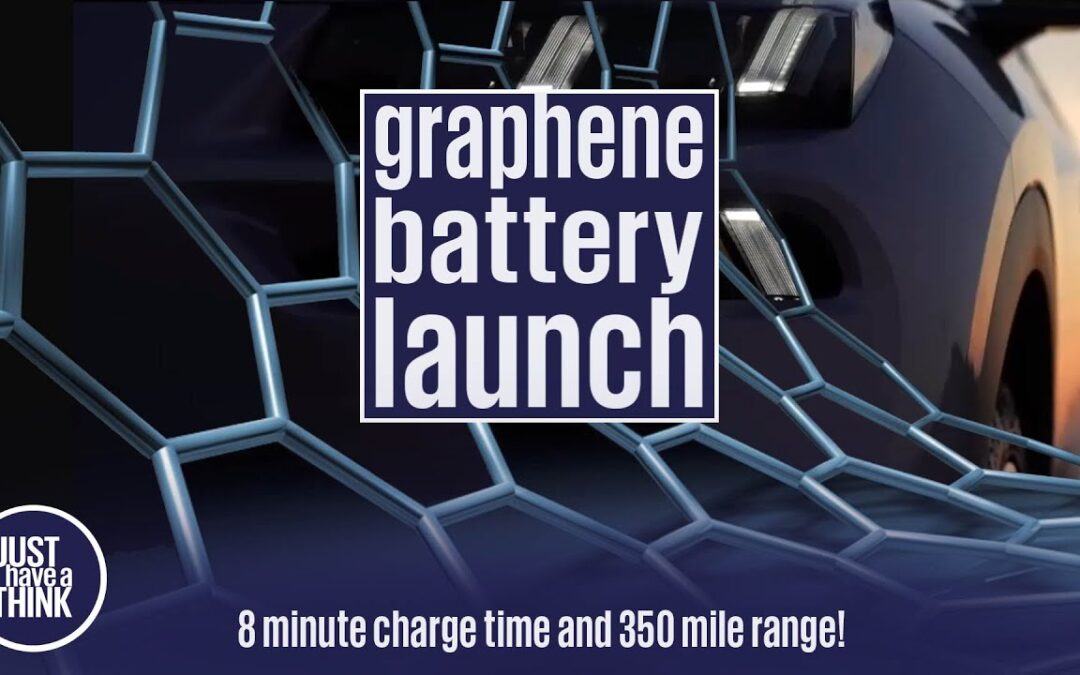
11:17 | Graphene is about to become a reality in electric vehicle batteries, increasing energy density by 40% or more, and reducing charge times to just a few minutes.

10:59 | Clean energy from re-growing resources and waste. Biomass sounds like a perfect alternative power source. Globally, at least 5% of energy come from biomass. But what does it mean if we use organic matter for fuel or electricity?

10:11 | We can all play a role in the climate movement by tapping into our skills, resources and networks in ways that bring us satisfaction.
Anders Dons og Peter Mogensen gennemgår hovedpointerne fra den nye Small Great Nation-rapport ’Grønne køer, russisk gas og CO2 – myter og realiteter’.

12:17 | How do lifetime emissions from manufacture, transport and disposal of renewables stack up against fossil fuels?

6:07 | Marjorie Taylor Green tells us why climate change is good for us. As with all her other conspiracy theories, this one is also crazy.
10:25 | Yuval Noah Harari makes the case that preventing ecological cataclysm will not require the major global disruptions many fear and explains that we already have the resources we need — it’s just a matter of shifting our priorities.

4:48 | Bitcoin requires vast amounts of electricity to facilitate its transactions around the globe.

9:17 | Piloting us into a future of green aviation, innovator Ryah Whalen shares three ways to lower the industry’s carbon footprint through smarter designs, eco-friendly fuel and new technology.

14:50 | On our way to an emissions-neutral future the use of solar energy is crucial. The problem: the space for photovoltaic systems is getting tight. We need land for food, for housing, to preserve biodiversity. So where to go with the solar cells?

28:26 | Wildfires, drought, melting glaciers – the impact of climate change is clear to see. But what about the impact on our oceans?
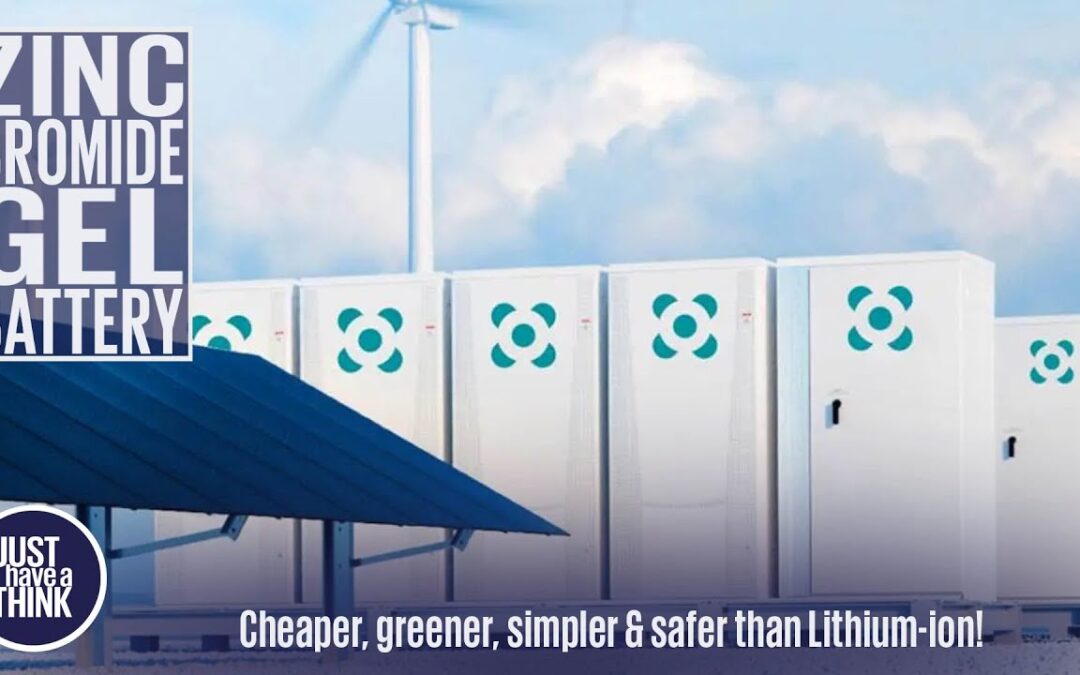
11:59 | The market for energy storage is still dominated by lithium-ion technology. But cheaper, greener and safer alternatives are being developed all the time.

42:25 | The biobased economy promises to help solve some of the world’s biggest problems, including climate change. But even these renewable resources require a production process, and that harbors new potential dangers.

22:56 | Carbon Offsets are a Scam.